Outdoor living has evolved from a simple backyard concept into a carefully curated extension of the home. Homeowners today seek comfort, functionality, and aesthetic harmony when designing their exterior spaces. Whether the goal is to host gatherings, relax in solitude, or create a multifunctional entertainment area, structured shade solutions have become essential elements of modern landscaping.
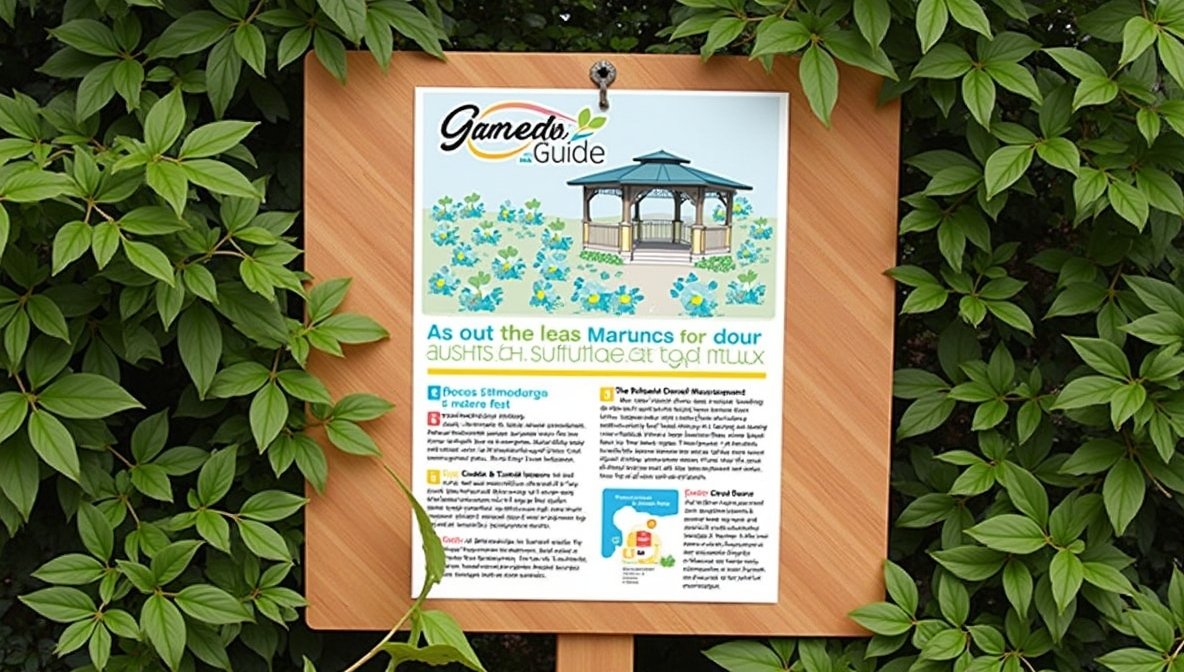
Among the many resources available to homeowners, the mgapgazebo gazebo guide by mygardenandpatio stands out as a reference point for understanding how to integrate gazebos into diverse outdoor settings. By combining design insight with practical advice, it provides clarity for individuals who want to transform their patios and gardens into inviting retreats.
A gazebo is more than just a decorative structure. It represents shelter, style, and a defined space within the open air. Choosing the right one involves thoughtful planning, knowledge of materials, and awareness of placement strategies. With proper guidance and preparation, any outdoor area can become a refined sanctuary.
The Growing Popularity of Gazebos
Over the past decade, outdoor improvement trends have shifted toward creating experiences rather than simply adding furniture. Gazebos have gained popularity because they provide a focal point while enhancing usability. Families use them for dining areas, reading corners, celebrations, and even small outdoor offices.
The mgapgazebo gazebo guide by mygardenandpatio emphasizes how these structures combine elegance with functionality. Their ability to define space without enclosing it entirely makes them ideal for homeowners who want openness alongside comfort.
Climate also plays a significant role in the increased demand for gazebos. In regions where summers are intense, shade becomes a necessity rather than a luxury. In cooler areas, gazebos can serve as windbreaks or be paired with heaters for extended seasonal use. This adaptability explains why so many homeowners are considering structured shade solutions as long-term investments.
Understanding Different Gazebo Styles
Choosing the right style begins with identifying the overall aesthetic of your home and landscape. Gazebos come in a variety of designs, ranging from traditional octagonal structures to sleek, modern rectangular frames. mgaphottub hot tub guide by mygardenandpatio
The mgapgazebo gazebo guide by mygardenandpatio outlines how architectural harmony enhances visual appeal. A classic wooden gazebo complements rustic or cottage-style homes, while metal-framed designs suit contemporary properties. Matching the structure’s style with existing elements ensures cohesion rather than contrast.
Open-sided gazebos provide unobstructed views and airflow, making them perfect for scenic gardens. Enclosed or semi-enclosed variations offer added privacy and protection. Some designs incorporate decorative railings, lattice panels, or built-in seating to enhance both aesthetics and comfort.
When evaluating style options, homeowners should consider not only appearance but also function. A structure intended primarily for entertaining may differ significantly from one meant for quiet relaxation.
Materials and Durability Considerations
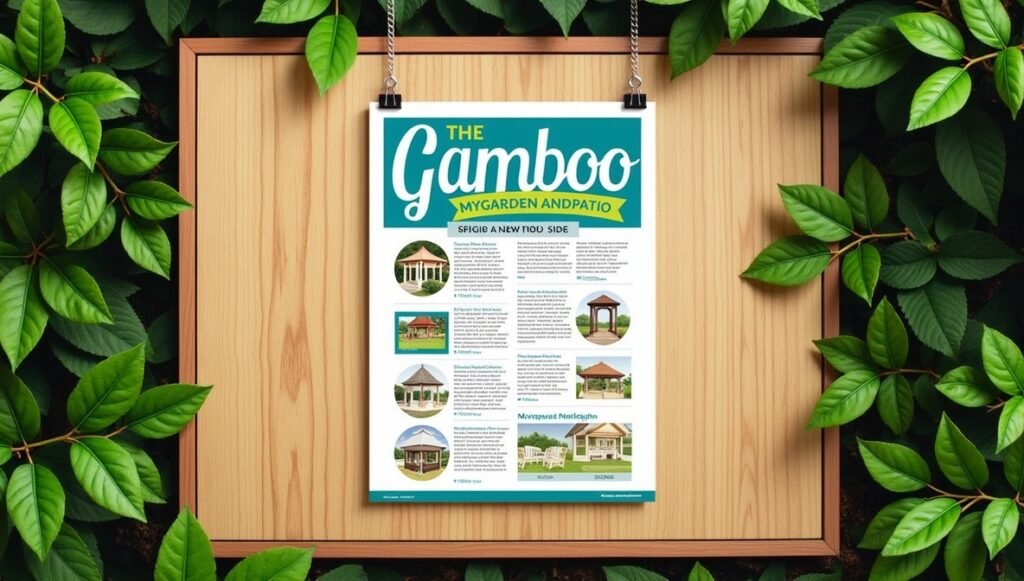
Material selection directly influences longevity, maintenance requirements, and overall appearance. Gazebos are typically constructed from wood, metal, or composite materials, each offering unique advantages.
Wood remains a popular choice for its natural beauty and warmth. It blends seamlessly with garden landscapes and can be customized with stains or paint finishes. However, wood requires regular maintenance to prevent weather-related damage.
Metal structures, often crafted from steel or aluminum, offer durability and modern appeal. They tend to require less maintenance while providing sturdy support. Composite materials combine strength with resistance to moisture and insects.
The mgapgazebo gazebo guide by mygardenandpatio advises homeowners to assess environmental conditions before selecting materials. Areas prone to heavy rainfall or humidity may benefit from moisture-resistant options. Meanwhile, regions with intense sun exposure may require UV-protected finishes to maintain appearance over time.
Choosing durable materials ensures that the gazebo remains a reliable outdoor feature for years to come.
Planning the Perfect Placement
Placement is a critical factor in maximizing the effectiveness of a gazebo. A poorly positioned structure can obstruct views, disrupt landscaping flow, or reduce functional value.
According to the mgapgazebo gazebo guide by mygardenandpatio, the first step in placement planning is understanding how the space will be used. For example, if the gazebo will serve as a dining area, proximity to the kitchen may be practical. If relaxation is the primary goal, positioning near garden beds or water features may create a more tranquil atmosphere.
Sun orientation should also be evaluated. Placing the gazebo where it provides shade during peak hours enhances comfort. Additionally, ensuring stable ground and proper drainage prevents structural complications.
Thoughtful placement transforms the gazebo from a simple addition into a harmonious extension of the landscape.
Design Integration with Landscaping
A gazebo should complement, not compete with, its surroundings. Integrating the structure into the existing landscape creates visual unity and enhances overall appeal.
The mgapgazebo gazebo guide by mygardenandpatio highlights the importance of blending natural elements with structural features. Climbing plants, flower beds, and surrounding pathways can soften the appearance of the gazebo and create a welcoming atmosphere.
Lighting is another powerful design tool. Soft string lights, lanterns, or subtle ground illumination can elevate ambiance during evening gatherings. Coordinating outdoor furniture with the gazebo’s style further reinforces cohesion.
Landscaping integration requires balance. The goal is to create a seamless transition between built structures and natural beauty, resulting in an outdoor environment that feels intentional and inviting.
Functional Enhancements and Accessories
Modern gazebos offer more than just shade. Homeowners can incorporate various enhancements to improve comfort and usability.
Seating arrangements should align with intended activities. Dining tables, lounge chairs, or sectional seating can transform the gazebo into a versatile gathering space. Outdoor rugs and cushions add warmth and personality.
The mgapgazebo gazebo guide by mygardenandpatio suggests considering additional features such as curtains for privacy, screens for insect protection, or ceiling fans for improved airflow. These accessories increase functionality without compromising aesthetic appeal.
Electrical integration is another consideration. Installing outlets or subtle wiring allows for lighting, sound systems, or small appliances, expanding the gazebo’s role in daily life.
By tailoring accessories to personal needs, homeowners can create a customized outdoor retreat that supports both leisure and entertainment.
Maintenance and Care Strategies
Long-term enjoyment depends on consistent maintenance. Regardless of material, routine inspections help identify potential issues before they escalate.
The mgapgazebo gazebo guide by mygardenandpatio emphasizes seasonal care practices. Cleaning surfaces, checking fasteners, and addressing minor wear ensure structural integrity. Wooden structures may require sealing or staining to maintain resistance against moisture and sunlight.
Metal frames should be inspected for signs of corrosion, while composite materials benefit from simple cleaning routines. Regular maintenance not only preserves appearance but also extends lifespan.
Preventative care is more cost-effective than repairs. Establishing a maintenance schedule supports durability and keeps the gazebo looking its best throughout the year.
Budget Planning and Value Assessment
Financial planning is an essential component of any outdoor improvement project. Gazebos vary widely in cost depending on size, materials, and customization options.
The mgapgazebo gazebo guide by mygardenandpatio recommends establishing a clear budget before beginning the selection process. This prevents overspending and ensures that priorities remain aligned with financial goals.
While initial investment may seem significant, a well-designed gazebo adds long-term value to the property. It enhances curb appeal and expands usable living space, which can positively influence resale potential.
Balancing cost with quality is key. Opting for durable materials and professional installation can reduce long-term expenses by minimizing maintenance and repair needs.
Installation Approaches and Considerations
Homeowners may choose between self-installation and professional services. Each approach offers advantages depending on skill level and project complexity.
DIY installation can reduce costs and provide a sense of accomplishment. However, it requires careful adherence to instructions and safety guidelines. Complex designs or large structures may benefit from professional expertise.
The mgapgazebo gazebo guide by mygardenandpatio advises evaluating foundation requirements before installation. Stable bases such as concrete pads or reinforced decks provide essential support.
Proper installation ensures safety and structural reliability. Rushing the process can compromise performance and longevity, making patience and precision crucial.
Creating Year-Round Usability
A gazebo’s value increases when it can be enjoyed throughout multiple seasons. Strategic additions make this possible even in varying climates.
Weather-resistant curtains, portable heaters, or windbreak panels extend usability during cooler months. In warmer seasons, ventilation features and shade enhancements maintain comfort.
The mgapgazebo gazebo guide by mygardenandpatio highlights how adaptable design supports year-round enjoyment. With thoughtful planning, the gazebo can transition seamlessly between seasonal roles.
Versatility transforms the structure from a seasonal luxury into a consistent lifestyle enhancement.
Conclusion: Transforming Outdoor Spaces with Purpose
Outdoor living spaces hold immense potential when designed intentionally. A gazebo serves as both a visual centerpiece and a functional asset, bridging the gap between architecture and nature.
By following principles outlined in the mgapgazebo gazebo guide by mygardenandpatio, homeowners can approach their projects with confidence and clarity. From style selection and material evaluation to placement and maintenance, every decision contributes to the final outcome.
A well-planned gazebo elevates everyday experiences. It becomes a place for conversations, celebrations, relaxation, and reflection. Through thoughtful design and consistent care, this structure can transform an ordinary backyard into an extraordinary outdoor sanctuary.