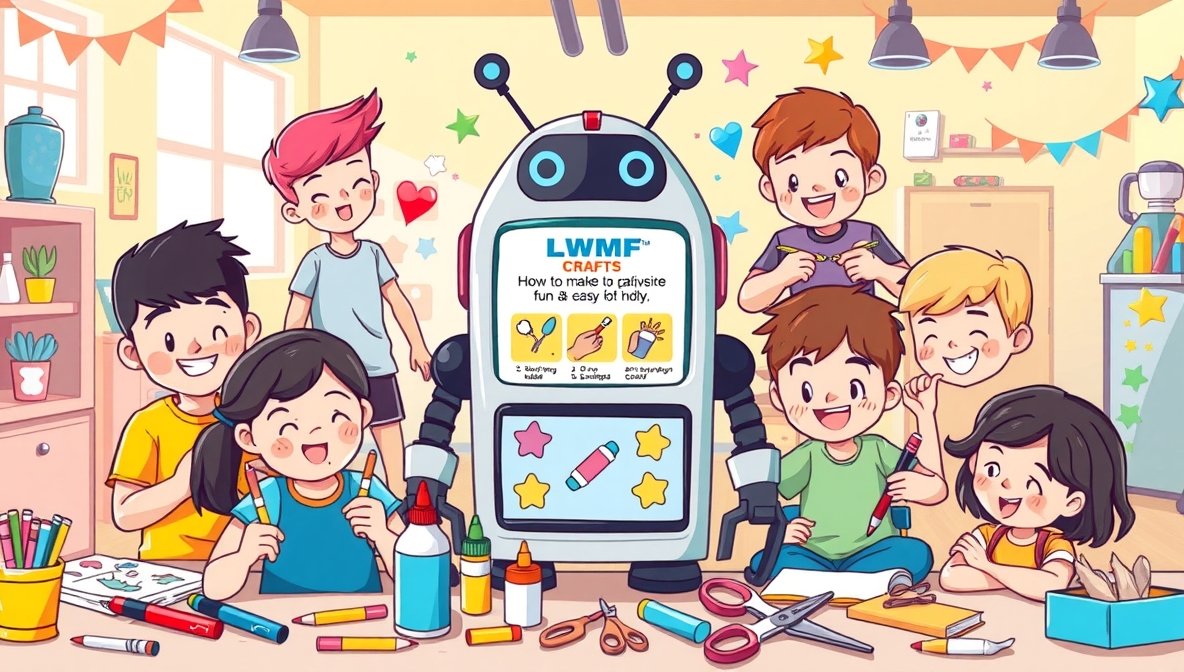
how to make playful activities lwmfcrafts has become a growing trend among parents, educators, and craft enthusiasts who seek to combine imagination with hands-on engagement. Playful activities are not just games—they are powerful tools that nurture emotional, social, and cognitive skills. When creativity meets structured play, the result is a learning experience that feels effortless and joyful. This innovative approach encourages both children and adults to rediscover the importance of play, crafting, and curiosity in daily life.
In today’s world, where digital screens infoguide lwmfcrafts dominate entertainment, hands-on crafts and playful projects bring a refreshing sense of connection. Whether for classrooms, families, or community spaces, these activities foster bonding, patience, and discovery—skills that go far beyond the craft table.
The Concept of Playful Learning
Play is often misunderstood as mere recreation, but it is a natural form of exploration that drives learning from infancy to adulthood. Through movement, art, and imagination, children experiment with the world around them—discovering how things work and how they themselves fit into that world. Understanding how to make playful activities lwmfcrafts is key to cultivating this innate curiosity in an environment that balances structure and freedom.
Playful learning supports multiple intelligences: spatial, linguistic, interpersonal, and even kinesthetic. When kids build a paper robot, design a cardboard castle, or paint with homemade brushes, they engage more deeply with problem-solving and creativity. The act of making something by hand strengthens both the brain and the heart.
The Role of Crafts in Development
Craft-based activities occupy a special place in the world of playful learning. They demand focus, patience, and an understanding of materials—all of which are essential for holistic growth. By integrating the ideas behind how to make playful activities lwmfcrafts, educators and parents introduce meaningful interaction between art and imagination.
Children who engage in craft-based play develop fine motor skills through cutting, folding, gluing, and assembling. Beyond physical benefits, crafts inspire self-expression and confidence. Each project—no matter how simple—gives a sense of accomplishment, teaching persistence and problem-solving in subtle but lasting ways.
Moreover, crafts invite collaboration. In group settings, they encourage communication, sharing, and teamwork. A child learning to pass paintbrushes or share glitter learns social responsibility—a small but crucial lesson in empathy.
Designing an Environment for Creative Play
The atmosphere in which play happens determines its success. The foundation of how to make playful activities lwmfcrafts lies in crafting an inviting, safe, and stimulating environment. Whether it’s a classroom corner, a backyard setup, or a cozy living room table, the goal is to create a space where creativity feels natural.
Start by organizing craft materials—paper, glue, crayons, and recycled objects—within easy reach. Open shelves and labeled bins encourage independence and choice. A well-designed play space promotes freedom, yet provides enough order to avoid chaos. The lighting should be soft and natural, while the background music—if any—should complement the mood, not distract from it.
The environment itself becomes a teacher, guiding young minds to explore, question, and create.
Incorporating Educational Themes
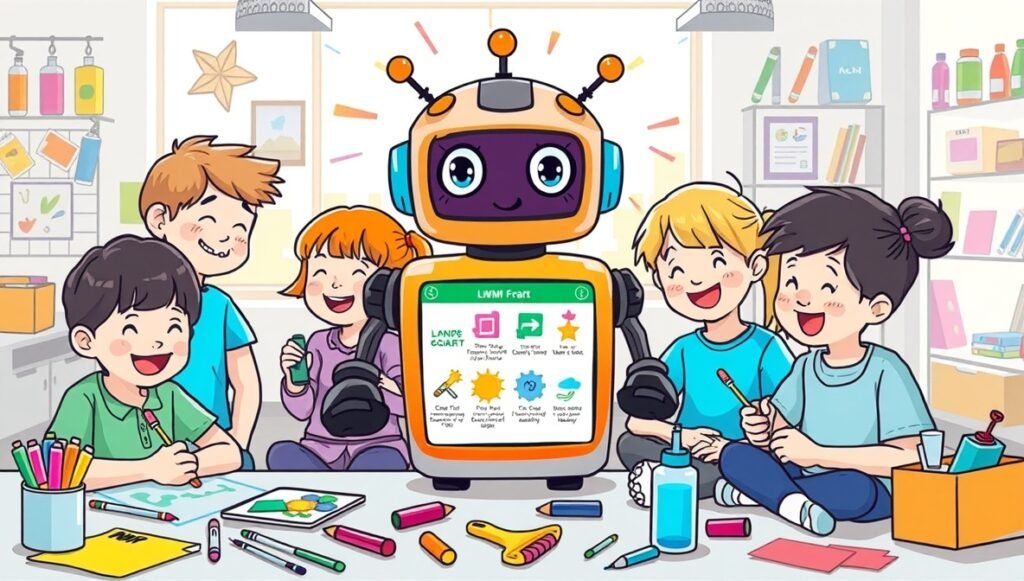
Every playful activity can teach something valuable. The idea behind how to make playful activities lwmfcrafts emphasizes integrating educational concepts without making them feel forced. For example, a simple paper-folding project can introduce geometry, while a color-mixing experiment reveals basic principles of science.
Learning through crafts works best when curiosity drives discovery. Instead of instructing children on what to expect, allow them to ask questions and make predictions. When crafting becomes inquiry-based, it strengthens reasoning and comprehension skills. decoradhouse, mintpalment, playbattlesquare, clearskinstudy
For instance, making salt-dough fossils can lead to conversations about history, paleontology, and preservation. Similarly, building miniature bridges from straws can spark interest in engineering and design. The key is to link fun with function—an approach that makes learning memorable.
DIY Playful Activity Ideas
To bring the principles of how to make playful activities lwmfcrafts into practice, here are some creative, low-cost ideas that blend entertainment and education:
1. Nature Collage Adventure
Take a walk outdoors, collect leaves, pebbles, and twigs, and use them to create textured collages. This activity connects art with environmental awareness, teaching children to appreciate nature’s diversity.
2. Story Dice Craft
Create six dice from cardboard. Instead of numbers, draw symbols—animals, weather, emotions, or objects. Roll them to inspire storytelling. This playful tool enhances language development and imagination.
3. Recycled Robot Challenge
Use boxes, bottle caps, and foil to design robots. Assign them “missions,” such as saving the planet or cleaning a pretend city. This activity promotes teamwork and innovation while introducing early STEM ideas.
4. Color Hunt Game
Ask children to find objects around the house or garden matching certain colors. Record the results using a hand-drawn chart. This fun task improves attention to detail and categorization.
5. Emotion Mask Workshop
Make paper masks showing various emotions—happy, sad, surprised, angry. Discuss what situations might cause these feelings. The project fosters emotional intelligence and empathy.
Each idea reinforces that playful learning does not require expensive tools—just imagination, creativity, and engagement.
Adapting Activities for Different Age Groups
Age-appropriate customization is essential when applying the methods of how to make playful activities lwmfcrafts. Younger children thrive with sensory experiences—finger painting, clay molding, or color sorting—while older children benefit from structured challenges like origami or building models.
Teenagers, meanwhile, can explore more complex projects such as upcycling, digital art, or even community-based craft exhibitions. Adults, too, can participate in craft sessions to reduce stress, enhance focus, and rediscover joy in creation. Play is not age-limited; it simply evolves with perspective.
Adapting activities also includes sensitivity to individual abilities. Inclusive crafting allows children with different skill levels or learning styles to participate equally. Adjusting materials, pace, and instructions ensures that everyone can experience success and pride.
Balancing Guidance and Freedom
One of the biggest challenges in playful learning is knowing when to step in and when to step back. In the philosophy of how to make playful activities lwmfcrafts, balance is everything. Adults should act as facilitators, not directors. Their role is to inspire curiosity, offer materials, and encourage exploration—without dictating outcomes.
This approach helps children take ownership of their creativity. When given freedom to decide, they learn responsibility, innovation, and critical thinking. Mistakes become lessons, not failures. If a cardboard structure collapses, it’s an opportunity to rethink and rebuild, not to give up.
By valuing process over perfection, we allow imagination to flourish authentically.
Using Recycled and Sustainable Materials
Modern crafting increasingly focuses on sustainability. Understanding how to make playful activities lwmfcrafts also means embracing eco-friendly practices. Teaching children to reuse materials—plastic bottles, newspaper, fabric scraps—encourages environmental awareness from an early age.
Sustainable crafts promote creativity within constraints. Turning discarded items into art teaches resourcefulness and respect for nature. A simple toilet paper roll can become a telescope, a bird feeder, or a rocket ship, proving that imagination can transform the ordinary into the extraordinary.
Moreover, sustainable crafting cultivates a sense of global responsibility. When play meets purpose, children learn that creativity can contribute to a cleaner, more thoughtful world.
Digital Integration and Modern Tools
While hands-on crafts remain timeless, digital tools can complement creative play. The vision of how to make playful activities lwmfcrafts can include hybrid experiences—combining traditional crafting with interactive technology. For example, children might design their artwork on tablets before recreating it with paper and paint.
Online design platforms and augmented reality apps enable kids to visualize 3D models before construction. Technology becomes an extension of creativity, not a replacement. However, moderation is key. Digital tools should enhance learning rather than dominate it.
The balance between tangible and virtual creation prepares children for a future where technology and art coexist harmoniously.
Crafting as Therapy and Emotional Expression
Crafting offers more than aesthetic satisfaction—it’s a form of therapy. Exploring how to make playful activities lwmfcrafts reveals how creative play can improve emotional well-being. Whether through coloring, sculpting, or designing, artistic expression provides a safe outlet for stress, anxiety, and emotion.
Children often express feelings they cannot verbalize through colors, shapes, and textures. A quiet drawing session can soothe nerves after a long day, while collaborative crafts encourage open communication. For adults, crafting brings mindfulness and relaxation—a meditative break from daily pressure.
When play becomes therapy, it strengthens not only creativity but also emotional resilience.
Community and Family Engagement
Playful activities thrive in communities. The philosophy of how to make playful activities lwmfcrafts encourages participation beyond the individual—bringing families, schools, and neighborhoods together. Family craft nights, art fairs, and local workshops create spaces where learning and bonding happen simultaneously.
These gatherings reinforce intergenerational connections. Grandparents can share traditional art techniques, parents can guide structure, and children can inject imagination. Such exchanges preserve cultural heritage while fostering togetherness.
At the community level, collaborative art projects—murals, recycled sculptures, or handmade décor—build pride and unity. When people create together, they also communicate better, forging trust and empathy through shared experience.
The Science Behind Playful Creativity
Behind every craft session lies neuroscience. Understanding how to make playful activities lwmfcrafts also involves recognizing the brain’s response to creative engagement. Crafting stimulates the prefrontal cortex (responsible for planning and decision-making) and the limbic system (linked to emotion).
This dual activation explains why creative play enhances both cognitive and emotional intelligence. Fine motor tasks, such as threading beads or cutting shapes, strengthen neural pathways related to coordination and focus. The sense of satisfaction after completing a project triggers dopamine release—the brain’s reward chemical—encouraging positive motivation.
In this way, play and science converge to reinforce growth, balance, and happiness.
Integrating Playful Activities in Education
Modern education increasingly acknowledges the importance of creativity. Implementing how to make playful activities lwmfcrafts in classrooms transforms traditional learning into dynamic exploration. Teachers can incorporate craft-based projects into subjects like math, history, and language.
For instance, building geometric models reinforces mathematical concepts, while designing ancient artifacts brings history lessons to life. Play-based learning reduces stress and boosts retention because students actively participate rather than passively listen.
Educators who encourage play see increased collaboration, empathy, and enthusiasm. Through crafts, students learn not only facts but also flexibility and imagination—skills essential for lifelong learning.
Cultural and Global Influence of Playful Crafts
Across the globe, cultures celebrate creativity through traditional crafts—origami in Japan, weaving in Africa, pottery in Latin America, and embroidery in South Asia. The philosophy of how to make playful activities lwmfcrafts embraces this diversity by blending global traditions into modern practices.
Introducing children to world crafts teaches respect for other cultures and fosters global awareness. A session making paper lanterns for a festival or weaving friendship bracelets inspired by indigenous art becomes a window into heritage and identity.
Through this cultural exchange, crafts evolve into storytelling—where each project carries a piece of history and heart.
Encouraging Independent Exploration
True learning begins when curiosity leads the way. Central to how to make playful activities lwmfcrafts is empowering individuals to explore independently. Providing open-ended materials and minimal instruction invites experimentation.
Instead of step-by-step templates, give prompts: “What can you make with these shapes?” or “How might you decorate your name using recycled items?” This method develops confidence and problem-solving skills. Independent exploration fosters innovation, transforming mistakes into discoveries.
Encouraging freedom doesn’t mean abandoning structure—it means trusting creativity to guide growth.
Evaluating the Impact of Playful Activities
To measure the success of how to make playful activities lwmfcrafts, one must look beyond finished products. The true impact lies in engagement, joy, and skill development. Observation is key: Are participants focused? Are they collaborating? Are they experimenting confidently?
Assessments should value creativity, effort, and emotional growth, not just accuracy or beauty. Reflection journals, photo documentation, and group discussions help participants recognize what they’ve learned.
When evaluation celebrates the process rather than perfection, it reinforces a positive learning mindset—where creativity becomes continuous exploration.
The Future of Playful Learning and Crafting
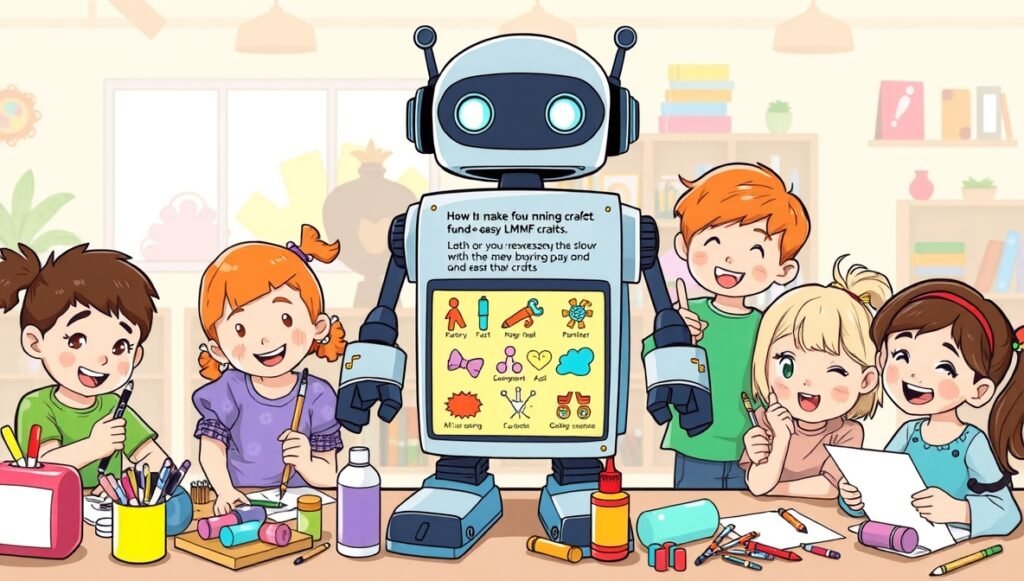
As technology, sustainability, and education continue to evolve, so too does the future of playful creativity. The vision behind how to make playful activities lwmfcrafts points toward a more integrated, mindful, and inclusive future. Hybrid spaces—where virtual tools meet physical materials—will expand possibilities for collaboration and design.
Global online communities will share craft ideas, digital workshops, and eco-friendly projects that inspire local action. The emphasis will shift from consumption to creation, from routine to imagination.
In the years ahead, the boundaries between art, science, and play will blur further—transforming creativity into a universal language that unites generations.
Conclusion: Creativity as a Lifelong Journey
At its core, how to make playful activities lwmfcrafts is more than a crafting guide—it’s a philosophy that celebrates curiosity, connection, and continuous learning. Through playful creativity, we rediscover the joy of making, the power of expression, and the beauty of imagination.
Crafts and play remind us that learning doesn’t have to feel like work. It can be spontaneous, colorful, and full of laughter. Whether in classrooms, homes, or communities, these moments of creation strengthen hearts and minds alike.
By nurturing creativity today, we build a foundation for innovative, compassionate thinkers tomorrow—proof that play is not a distraction from learning but its most meaningful form.