The growing interest in home wellness has transformed gardens and patios into personal retreats where relaxation and health intersect. Among the many features people add to their outdoor spaces, saunas stand out as both functional and symbolic of a slower, more mindful lifestyle. When enthusiasts search for inspiration, guidance, and practical knowledge, collections like mygardenandpatio sauna archives become valuable resources. They represent a record of evolving ideas about outdoor living, combining traditional sauna culture with modern design trends. These archives do more than showcase products; they tell stories about how people adapt ancient wellness practices to contemporary homes. Exploring this topic reveals how outdoor saunas connect design, health, culture, and personal expression in meaningful ways.
Outdoor sauna culture has expanded beyond Nordic regions into global popularity. Gardens once reserved for flowers and seating areas now host wooden cabins, infrared enclosures, and hybrid wellness rooms. This shift reflects changing attitudes toward self-care, where relaxation is no longer limited to spas or resorts. Instead, it is woven into daily routines at home. The documentation of this movement through curated collections highlights not only technical aspects but also emotional motivations. Understanding these archives means understanding the people who build and use these spaces.
The Roots of Garden Saunas
The tradition of sauna bathing traces back thousands of years, particularly in Northern Europe. Historically, saunas were separate structures built near lakes or forests, designed for both physical cleansing and spiritual reflection. Over time, urbanization reduced access to natural sauna sites, encouraging people to recreate the experience in private settings. This evolution laid the groundwork for today’s garden saunas.
Modern archives such as mygardenandpatio sauna archives capture this transition. They document how traditional principles—heat, steam, and simplicity—are preserved while materials and construction methods change. Early designs emphasized rough timber and wood-burning stoves. Contemporary models often integrate insulation technology, electric heaters, and sleek finishes. Yet the core purpose remains unchanged: to provide a place where heat and quiet restore balance to the body and mind.
Design as a Reflection of Lifestyle
Outdoor saunas are as much about aesthetics as they are about function. The way a sauna looks communicates the values of its owner. Minimalist designs reflect a desire for calm and order, while rustic cabins suggest a connection to nature and tradition. In many curated collections, the diversity of styles shows how personal wellness intersects with creative expression.
Through resources like mygardenandpatio sauna archives, observers can trace patterns in design trends. There is a growing preference for compact, modular structures that fit small gardens. Glass walls appear frequently, blurring the boundary between interior warmth and outdoor scenery. Lighting has also become a design focus, with soft illumination replacing harsh bulbs to create a more meditative atmosphere. These details reveal that a sauna is no longer just a heated room; it is part of an outdoor living narrative. mgapgazebo gazebo guide by mygardenandpatio
Health and Wellness Perspectives
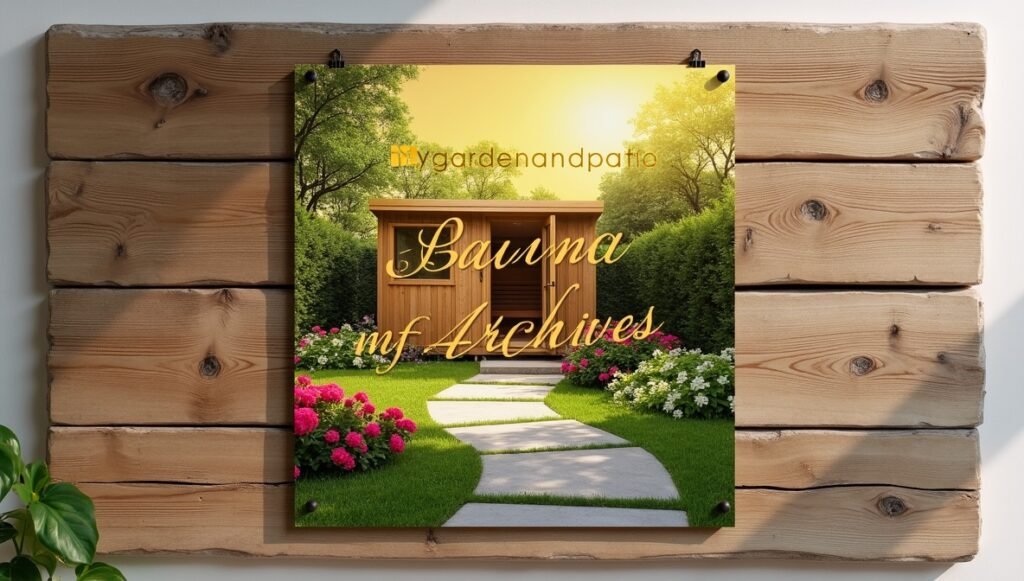
The popularity of garden saunas is closely tied to health awareness. Heat exposure is associated with muscle relaxation, improved circulation, and stress reduction. Many users describe sauna sessions as rituals that mark the end of a busy day. The psychological benefit of stepping away from digital distractions is often as significant as the physical effect.
When collections like mygardenandpatio sauna archives organize information about sauna use, they often highlight routines and best practices. These include hydration guidelines, recommended session lengths, and methods of cooling down afterward. The emphasis is on balance rather than extremes. Instead of pushing endurance, modern sauna culture encourages listening to one’s body. This shift reflects a broader wellness philosophy that values sustainability over intensity.
Materials and Craftsmanship
Building a garden sauna involves careful material selection. Wood remains the dominant choice due to its insulating properties and sensory appeal. Cedar, spruce, and pine are commonly used, each offering different aromas and durability levels. Insulation layers ensure that heat is retained efficiently, reducing energy consumption.
Within mygardenandpatio sauna archives, craftsmanship is often a recurring theme. Detailed descriptions of joinery, paneling, and ventilation systems show that building a sauna is both a technical and artistic endeavor. Ventilation, for instance, must balance fresh air intake with heat retention. Poor design can lead to discomfort or structural damage. The archives therefore function as educational tools, guiding enthusiasts toward safe and durable construction methods.
Integration with Garden Spaces
A garden sauna does not exist in isolation; it becomes part of a larger landscape. Designers consider pathways, seating areas, and plant arrangements to ensure harmony between structure and environment. The placement of a sauna can influence how often it is used. A unit hidden in a far corner may feel secluded but inconvenient, while one placed near a patio may encourage regular sessions.
By studying examples from mygardenandpatio sauna archives, one can observe how different layouts affect usability. Some designs incorporate decks or outdoor showers, extending the sauna experience beyond the heated room. Others use natural screens of trees or hedges for privacy. These choices demonstrate that successful outdoor wellness spaces are planned holistically, considering movement, sightlines, and seasonal changes.
Cultural Meanings and Rituals
Sauna use is deeply cultural. In some traditions, it is a family activity; in others, it is a solitary practice. Rituals such as using aromatic branches or alternating between hot and cold baths reflect regional customs. As saunas spread globally, these rituals adapt to local preferences.
The role of mygardenandpatio sauna archives in preserving these cultural layers is significant. They often include stories or references to heritage practices, reminding readers that saunas are more than modern inventions. They are part of a lineage of communal and personal rituals. This cultural continuity adds depth to the physical structure, turning a garden sauna into a symbolic bridge between past and present.
Environmental Considerations
Sustainability has become a key concern in outdoor construction. Sauna builders now consider energy sources, insulation efficiency, and the ecological impact of materials. Electric heaters powered by renewable energy reduce carbon footprints, while responsibly sourced wood minimizes deforestation.
In many discussions found within mygardenandpatio sauna archives, environmental responsibility appears as a guiding principle. Designers aim to reduce waste and extend the lifespan of structures through quality construction. Rainwater collection for cooling showers and natural ventilation systems further illustrate how wellness and environmental awareness can align. These practices show that relaxation does not have to come at the expense of ecological health.
Technology and Innovation
While saunas are rooted in tradition, technology has introduced new possibilities. Digital thermostats allow precise temperature control. Infrared panels offer alternative heating methods that some users find gentler. Smart systems even enable remote activation, so a sauna can be warmed before arrival.
The inclusion of such innovations in mygardenandpatio sauna archives demonstrates how old and new coexist. Instead of replacing traditional methods, technology enhances convenience and safety. Timers prevent overheating, and sensors monitor humidity levels. These tools support a more personalized experience, allowing users to tailor sessions to their preferences.
Social and Emotional Dimensions
Garden saunas often become gathering places. Friends and family share sessions, conversations, and moments of silence. These interactions strengthen social bonds and provide a shared ritual that differs from everyday activities. Even solitary use has social meaning, as it represents self-respect and boundary-setting.
Observations within mygardenandpatio sauna archives reveal that people frequently describe emotional benefits alongside physical ones. The quiet heat becomes a space for reflection, stress release, and creative thought. In a world dominated by screens and schedules, this simple act of sitting in warmth acquires symbolic weight. It represents a deliberate pause, a reminder that well-being requires time and intention.
Economic and Lifestyle Factors
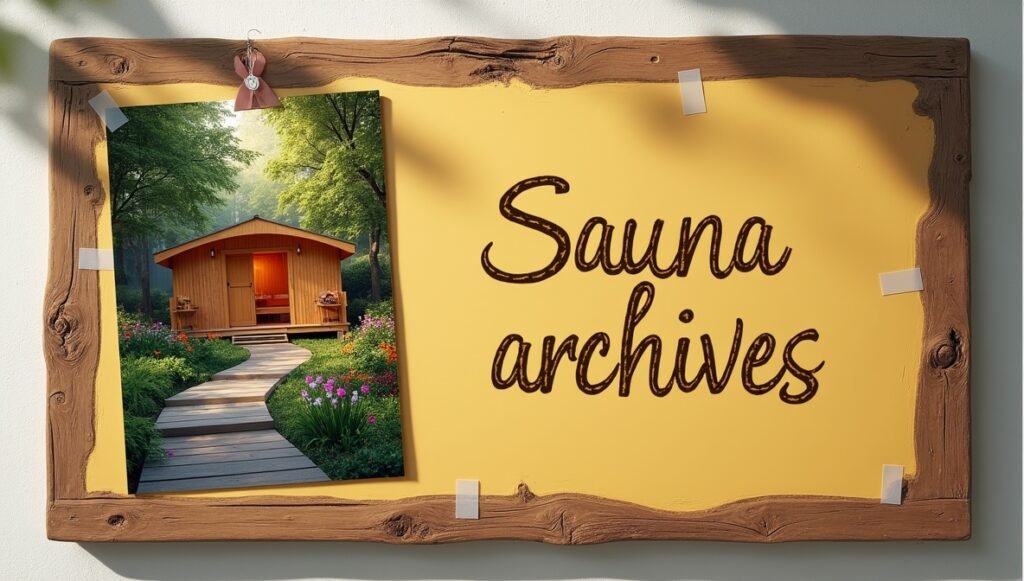
Investing in a garden sauna involves financial considerations. Costs vary based on size, materials, and technology. For some, it is a luxury; for others, it is a practical substitute for frequent spa visits. Over time, a home sauna can be seen as an investment in health and property value.
When examining mygardenandpatio sauna archives, economic themes often appear subtly. They highlight do-it-yourself projects alongside professional installations, showing that accessibility is possible at different budget levels. This inclusivity broadens the appeal of garden saunas, making them achievable goals rather than distant aspirations.
Education Through Documentation
Archives serve an educational role. By collecting designs, experiences, and technical advice, they create a knowledge base for newcomers. Mistakes and successes alike become learning opportunities. This shared information reduces trial and error, helping people build safer and more satisfying wellness spaces.
The educational function of mygardenandpatio sauna archives extends beyond construction. It includes guidance on maintenance, such as cleaning routines and seasonal care. Wood treatment, heater inspection, and ventilation checks ensure longevity. In this way, the archives support a cycle of responsible ownership and continuous improvement.
Future Directions
As lifestyles evolve, so will garden saunas. Urban density may encourage vertical or rooftop installations. Virtual design tools could allow users to preview layouts before building. Materials science may introduce new composites that resist moisture and decay more effectively.
The ongoing expansion of mygardenandpatio sauna archives suggests that documentation will remain essential. By recording each phase of innovation, these collections help future builders understand what has worked and what has changed. They preserve a dialogue between tradition and progress, ensuring that wellness practices adapt without losing their essence.
Conclusion
Garden saunas represent a convergence of health, design, culture, and personal meaning. They transform ordinary outdoor spaces into sanctuaries of warmth and reflection. Through careful documentation and shared knowledge, resources like mygardenandpatio sauna archives illuminate how these structures are conceived, built, and experienced. They show that a sauna is more than a physical addition to a garden; it is a statement about how people value rest, connection, and balance.
By tracing design trends, cultural roots, and technological developments, one can see that outdoor saunas mirror broader shifts in lifestyle. They respond to a desire for privacy and community, for tradition and innovation. As interest in home wellness continues to grow, the stories preserved in such archives will guide new generations of builders and users. In doing so, they ensure that the simple act of sitting in heat remains rich with meaning, woven into the evolving narrative of outdoor living.